
Dental implants have revolutionized the way missing teeth are restored, offering a long-term, stable, and natural-looking solution. For individuals considering tooth replacement, dental implants in Kendall procedures offer functional and aesthetic benefits that traditional bridges or dentures may not provide. But before undergoing treatment, it’s essential to understand how dental implants work and what makes them a preferred option for many patients.
The Step-by-Step Process
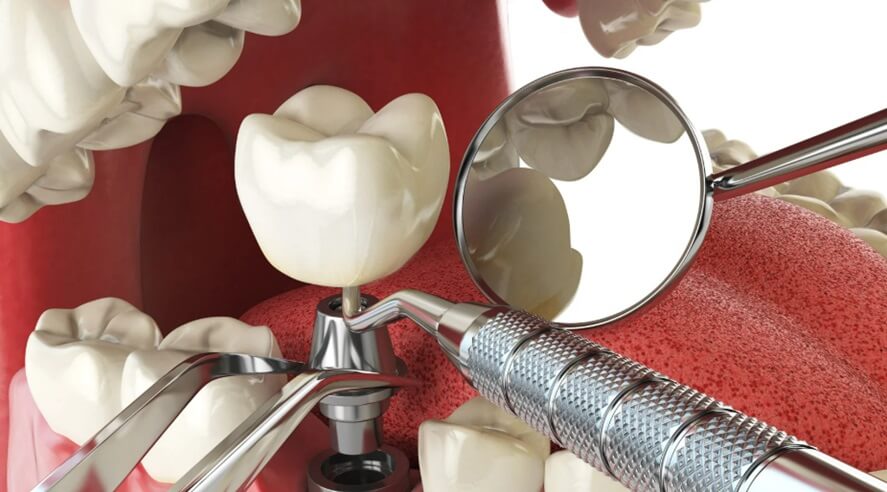
Dental implant treatment begins with a thorough consultation and diagnostic imaging to evaluate jawbone health. The implant itself is a titanium post surgically inserted into the jawbone, serving as a root for the artificial tooth. After placement, the area undergoes a healing process known as osseointegration, where the bone fuses with the implant to provide a secure foundation. Once healing is complete, an abutment is attached, followed by the final crown, which restores both function and appearance.
Long-Term Function and Maintenance
One of the main advantages of implants is their longevity. Unlike other tooth replacement options that may need to be replaced every few years, dental implants can last decades with proper care. Understanding the lifespan of dental implants helps patients appreciate the value of this investment. Regular brushing, flossing, and dental checkups are critical to maximizing durability and preventing issues such as gum inflammation or bone loss around the implant.
Material Matters in Implant Success
Not all implants are made the same, and the materials used play a crucial role in their success and biocompatibility. Titanium remains the most widely used material due to its strength and ability to integrate with bone, but zirconia is emerging as an alternative for patients seeking metal-free solutions. Learning more about the materials used in dental implants helps patients make informed decisions when discussing options with their dental professional.
Enhanced Comfort and Stability
Dental implants offer improved comfort compared to removable appliances. Because they are anchored directly into the jawbone, they feel more like natural teeth and don’t shift while speaking or eating. This stability can enhance speech clarity and allow individuals to enjoy a wider range of foods without discomfort or embarrassment.
Preserving Bone Health and Facial Structure
When a tooth is lost, the surrounding bone can begin to deteriorate due to lack of stimulation. Dental implants prevent this bone resorption by mimicking the function of a natural tooth root. In doing so, they help maintain facial contours, avoiding the sunken appearance often seen in long-term denture wearers.
Aesthetic and Psychological Benefits
Beyond the physical benefits, implants also have a positive impact on self-esteem. A complete and natural-looking smile can restore confidence in both social and professional settings. The secure fit means there’s no need to worry about slippage or adhesives, adding convenience to everyday life.
Conclusion
Dental implants provide a reliable and long-lasting solution for tooth loss while also supporting jaw health, comfort, and confidence. With careful placement, strong materials, and consistent care, implants offer functional and aesthetic benefits that extend well beyond surface-level restoration. Whether you’ve lost one tooth or several, understanding the full scope of the implant procedure can help you make an informed decision about your long-term oral health and overall well-being.