
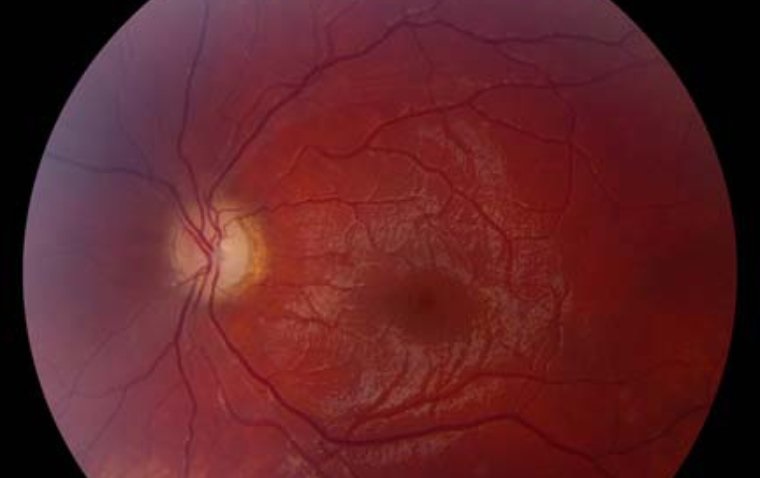
Leber Hereditary Optic Neuropathy is a rare genetic eye disorder. It usually appears in young adulthood. The disease damages the optic nerve. Vision fades quickly and central sight is lost. The condition is linked to mitochondrial mutations. These mutations weaken energy supply in nerve cells. Current treatments are very limited. Families often face despair and distress. New medical approaches are being studied today. One promising method involves stem cell therapy. Researchers hope this therapy can restore function. It offers renewed hope for many patients.
Understanding Leber Hereditary Optic Neuropathy
Leber Hereditary Optic Neuropathy is passed through maternal lines. It results from faulty mitochondrial DNA. The condition affects energy production in cells. Optic nerves require high energy support. These nerves become weak without energy. Patients often lose central vision fast. Peripheral vision usually remains for some time. Symptoms include blurred sight and loss of clarity. Onset is often sudden and severe. Families often struggle with early detection. Diagnosis is currently confirmed by genetic testing. Awareness of the condition is very important. Early recognition helps with supportive care.
Stem Cell Therapy Potential
Stem cell therapy offers a new path. Stem cells can transform into many types. They may repair or replace damaged tissues. In optic neuropathy they target nerve damage. Healthy cells may restore defective connections. Some stem cells release helpful factors. These factors protect cells from further decline. Therapy focuses on optic nerve survival. Researchers believe the therapy can improve sight. Trials have shown promising safety results. Functional vision recovery remains under study still. Stem cell therapy also inspires larger research interest. It signals hope beyond supportive management.
Future Directions and Patient Hope
Future therapies may combine stem cells with gene therapy. Such integration may address both structure and function. Gene correction can target the mitochondrial mutation. Stem cells may assist with nerve repair. Together they may provide stronger outcomes. Patients and families follow the progress closely. Many hold hope for stable treatments. Support networks now grow with research awareness. Advocacy groups share information and encouragement widely. Researchers aim for safe and affordable approaches. The journey is still long and complex. Yet determination fuels ongoing innovation and resolve. Hope remains alive for brighter vision.
Conclusion
Leber Hereditary Optic Neuropathy brings devastating vision loss. Traditional therapies offer very limited relief. Stem cell therapy has emerged as a bright avenue. Research remains active and carefully tested worldwide. The approach holds genuine promise for patients. Families wait for a safe and lasting breakthrough. Continued science and collaboration drive the progress forward. With time and persistence better therapy may reach clinics. The story of hope continues with every study. Stem cell advances may soon rewrite patient futures.